 (202) 318-7334

Preventive Care
Simple, protective care that reinforces enamel and helps your family's smiles resist cavities for years to come.
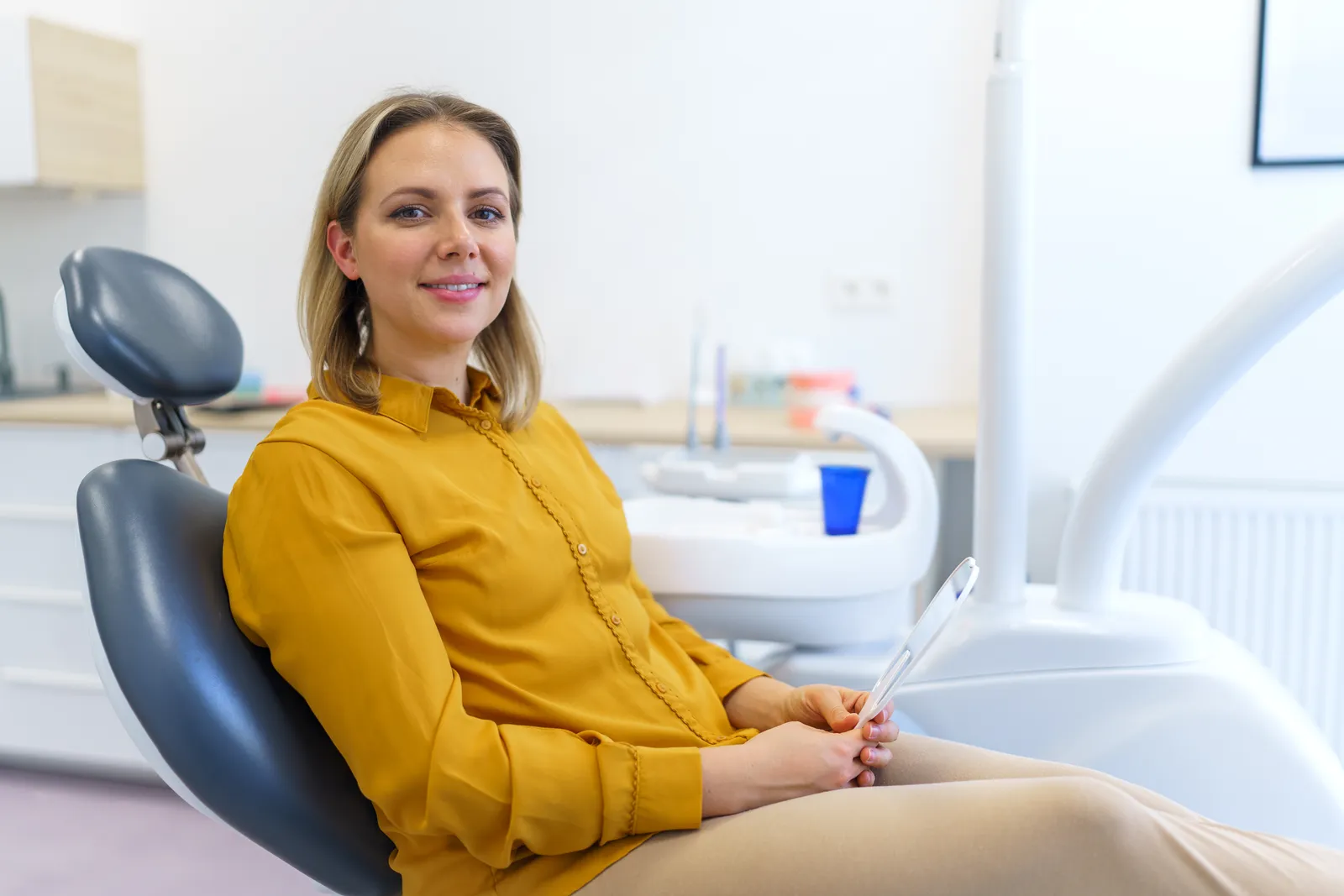
Tooth enamel is the hardest substance in the human body, but it is not indestructible. Every day, the foods and beverages you enjoy - sodas, citrus, coffee, even starchy snacks - release acids that slowly pull minerals out of your enamel. This process, called demineralization, happens quietly and painlessly at first, which is exactly why so many patients in Washington, DC are surprised to learn they already have early weak spots forming beneath the surface of their teeth.
Fluoride treatments work by reversing that process. When we apply a concentrated fluoride gel, foam, or varnish directly to your teeth, the mineral is absorbed into the enamel and helps rebuild areas that have already begun to soften. Over time, this strengthens the entire tooth surface, making it noticeably more resistant to the acid attacks that lead to cavities, sensitivity, and costly restorative work down the road.
At Dupont Smiles Family and Cosmetic Dentistry, we build fluoride treatments into a broader, personalized prevention strategy rather than treating them as a one-size-fits-all add-on. We look at your diet, your home care habits, your history of cavities, and even factors like dry mouth or orthodontic appliances before recommending how often and in what form fluoride should be part of your care plan.
Enamel weakness doesn't always announce itself with pain. Many of the patients who benefit most from fluoride treatments show subtle warning signs long before a cavity ever forms. Here is what we watch for during exams, and what you might notice at home:
If any of these sound familiar, it's worth a conversation rather than a guess. A short clinical exam lets us see exactly where your enamel stands and whether fluoride, combined with other preventive steps, is the right move before a small weak spot turns into a filling.
Enamel erosion rarely has one single cause. More often, several everyday habits and conditions combine to tip the balance away from a healthy, mineral-rich tooth surface. Recognizing these factors helps us target your treatment plan more precisely.
Coffee, soda, wine, and citrus fruits lower the pH in your mouth, softening enamel each time you consume them throughout the day.
Saliva naturally buffers acid and redeposits minerals. Dry mouth from medication or certain health conditions removes this built-in defense.
Oral bacteria feed on sugar and produce acid as a byproduct. Grazing on sweets throughout the day keeps enamel under near-constant attack.
Molars with naturally deep pits and fissures collect plaque that brushing alone struggles to fully remove, concentrating acid exposure.
Newly erupted teeth in children haven't fully matured and absorb minerals more readily, making them more vulnerable but also more responsive to fluoride.
Households relying on well water or certain bottled water miss out on the fluoride levels found in most municipal water systems in DC.
Fluoride treatments are quick, but we never skip the groundwork that makes them effective. Here's exactly what to expect from your visit, start to finish.
We talk through your diet, home care routine, sensitivity history, and any risk factors like dry mouth or orthodontics that affect enamel strength.
We examine each tooth surface closely, checking for early white spot lesions, sensitivity, and areas where enamel has already begun to weaken.
Based on your risk level, we recommend the right fluoride form, concentration, and frequency, whether that's a one-time varnish or a recurring schedule.
We apply fluoride varnish, gel, or foam directly to your teeth. The process is quick, painless, and typically takes just a few minutes per visit.
We track enamel strength over subsequent visits and adjust your preventive plan as your diet, habits, or risk factors change over time.
Fluoride treatments don't just mask a temporary problem. They work with your body's own remineralization process to build a tooth surface that holds up better against everyday wear and acid exposure.
Stronger enamel resists the acid attacks that cause decay, meaning fewer fillings, fewer appointments for restorative work, and lower long-term dental costs.
By reinforcing exposed or thinning enamel, fluoride can noticeably ease the sharp discomfort many patients feel with hot, cold, or sweet foods.
Children's newly erupted teeth benefit enormously from fluoride's extra mineral support during the vulnerable years before enamel fully matures.
Patients with dry mouth, braces, or a history of frequent cavities get an added layer of defense that home brushing alone can't fully provide.
Over-the-counter toothpaste and rinses contain fluoride, but at concentrations far lower than what we use in the office. That lower strength is appropriate for daily use, but it isn't designed to reverse existing demineralization the way a professional application can. The fluoride varnish, gel, or foam we apply contains a much higher concentration of mineral, allowing it to penetrate enamel more deeply and rebuild weakened areas more effectively in a single visit.
There's also a matter of contact time and placement. Professional fluoride treatments are applied directly to dried tooth surfaces and allowed to set, maximizing absorption into the enamel before saliva naturally washes it away. We can also target specific areas, like deep molar grooves or exposed root surfaces near receding gums, that a toothbrush often misses.
For patients already showing early signs of enamel weakness, this difference matters. A professional-strength application delivered a few times a year, combined with consistent home brushing with fluoride toothpaste, gives your teeth two layers of protection working together rather than relying on just one.
The protection you get from a fluoride treatment lasts longer when it's paired with consistent habits at home. These small adjustments make a real difference between visits.
Brushing twice a day with a fluoride toothpaste maintains a steady low-level reinforcement between your professional applications.
Giving your saliva time to neutralize acid between meals reduces the frequency of enamel-softening attacks throughout the day.
Washington, DC's municipal water supply is fluoridated, offering a free, continuous source of enamel-supporting mineral exposure.
A quick water rinse after coffee, citrus, or soda helps neutralize acid before it has extended contact time with your enamel.
Routine cleanings remove plaque buildup that would otherwise continue producing acid against your enamel day after day.
If medication or a health condition is reducing your saliva flow, let us know so we can adjust your preventive plan accordingly.
These habits are valuable complements to professional care, but they are not a substitute for regular exams. Only a clinical evaluation can tell us exactly how your enamel is holding up and whether your fluoride schedule needs adjustment.
"We've seen patients avoid their first cavity simply by staying consistent with fluoride visits. It's one of the simplest, most affordable ways to protect a smile for the long run, and we make sure every patient - from toddlers to grandparents - understands why it matters for them specifically."
Answers to the questions we hear most often about fluoride treatments at our Washington, DC practice.
BOOK YOUR VISIT
Join the Washington families who trust Dupont Smiles Family and Cosmetic Dentistry. New patients and emergencies are always welcome.
 1325 18th St NW #102, Washington, DC 20036