Dental Bonding
Dental Bonding: Enhance Your Smile with Ease
Learn about dental bonding, a quick and effective solution for improving your smile. Discover its benefits, procedure, and lasting results.
Cosmetic Dentistry
A fast, affordable way to repair chips, close gaps, and refresh your smile in a single visit at our Dupont Circle office.
A chipped incisor, a small gap between your front teeth, or a stubborn stain can quietly change how often you smile in photos or speak up in meetings. These imperfections are rarely urgent health concerns, but they can still weigh on your confidence every single day. Dental bonding at Dupont Smiles Family and Cosmetic Dentistry offers a conservative, same-visit way to correct these concerns without reshaping your entire smile or committing to multiple appointments.
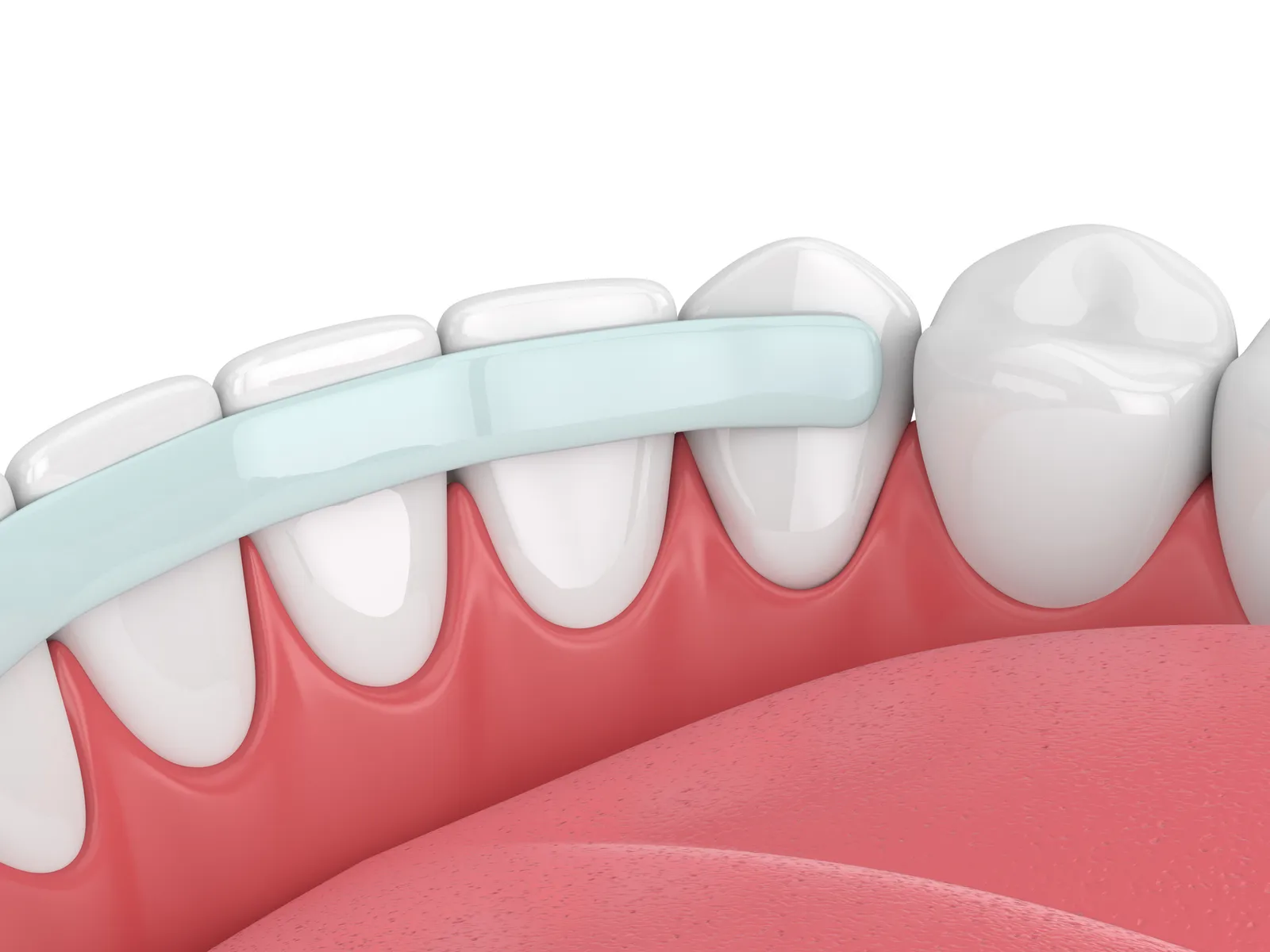
Bonding uses a tooth-colored composite resin that we sculpt directly onto your tooth, then shape, smooth, and cure with a curing light until it blends seamlessly with your natural enamel. Unlike porcelain veneers or crowns, bonding typically requires little to no removal of healthy tooth structure, which makes it one of the most conservative cosmetic treatments we offer our Dupont Circle neighbors. It is equally useful for closing small gaps, lengthening a worn edge, protecting an exposed root from gum recession, or simply evening out a smile line that has bothered you for years.
Our approach always begins with listening. We look at your bite, your existing tooth shade, and the specific flaw you want corrected before recommending bonding over an alternative treatment. When bonding is the right fit, you will usually walk out the same day with a repaired, natural-looking tooth and a clear understanding of how to care for it long-term.
Bonding works well for a wide range of minor cosmetic and structural concerns. During your consultation, we will examine the tooth in question and confirm whether composite resin can achieve the result you are hoping for, or whether a different restoration would serve you better in the long run.
If several of these concerns sound familiar, a professional exam is the best next step. A thorough look at your tooth's structure and bite ensures bonding will hold up well and truly address the issue rather than masking a problem that needs deeper treatment.
Most patients who ask about bonding are dealing with more than one contributing factor at once. Understanding what caused the chip, gap, or stain helps us plan a repair that lasts rather than one that simply covers the surface.
Coffee, tea, red wine, and tobacco gradually darken enamel, and some stains settle deep enough that whitening alone cannot fully lift them.
Clenching and grinding wear down edges over years, leaving teeth shorter and more prone to chipping during normal chewing.
Ice, pens, fingernails, and hard candies place sudden localized pressure on enamel edges, often resulting in small, sharp chips.
Genetics and jaw development can leave natural spacing between teeth, most commonly between the two upper front teeth.
Aging, aggressive brushing, or gum disease can expose root surfaces that look yellowed and feel sensitive to temperature.
Excess fluoride exposure during childhood or certain antibiotics taken early in life can leave white or gray banding in enamel.
Bonding is one of the few cosmetic treatments that can go from consultation to completion in a single appointment. Here is what you can expect when you visit our Dupont Circle office.
We talk through what is bothering you about the tooth, review your goals, and discuss whether bonding or an alternative restoration best fits your situation.
We check the tooth's structure, bite alignment, and gum health to confirm there is enough healthy enamel to support a strong, lasting bond.
We select a composite resin shade that matches your surrounding enamel precisely, so the repair disappears into your natural smile rather than standing out.
We lightly roughen the tooth surface, apply the resin in layers, sculpt it to the ideal shape, and cure each layer with a specialized light until the repair is complete.
We polish the bonded tooth to a natural sheen, check your bite, and give you specific care tips so the repair stays strong for years to come.
Bonding delivers more than a quick cosmetic fix. Done well, it restores comfort, confidence, and function in ways patients notice immediately and continue to appreciate for years.
You leave your appointment with the chip, gap, or stain already corrected rather than waiting weeks for a lab-made restoration.
Because bonding is additive rather than reductive, you keep far more of your natural tooth structure compared with veneers or crowns.
Covering exposed root surfaces or sharp chipped edges often eases the sudden jolt of sensitivity from hot, cold, or sweet foods.
Restoring a worn or chipped edge helps distribute chewing forces more evenly, which can ease strain on neighboring teeth.
Patients consistently tell us they stop covering their mouth when they laugh once a long-standing flaw has finally been corrected.
Bonding costs considerably less than veneers or crowns, making a noticeable cosmetic improvement accessible in a single visit.
Composite resin is remarkably versatile, but it is softer than natural enamel and considerably softer than porcelain. On front teeth that handle light biting forces, well-placed bonding typically holds up for 5 to 10 years before it needs polishing, refreshing, or replacement. Teeth used for heavier chewing or teeth exposed to constant grinding will usually show wear sooner, which is part of why we assess your bite pattern so carefully before recommending this treatment.
The biomechanics matter here. Every time you bite down, chew, or clench, force travels through the bonded edge and into the underlying tooth. Patients who grind their teeth at night place repeated stress directly on bonded surfaces, which can lead to micro-chipping or a dulled polish over time. For these patients, we often recommend a nightguard alongside bonding to protect the investment and extend how long the repair looks its best.
The good news is that bonding is also simple to touch up. Unlike a cracked veneer, which usually needs full replacement, a chipped or stained bonded tooth can often be repaired chairside in a short visit. This makes bonding a low-maintenance, low-stress option for patients who want a lasting correction without a lifetime commitment to one restoration.
A few simple daily habits go a long way toward keeping bonded teeth looking bright and holding their shape between your regular checkups.
Rinse with water after coffee, tea, or red wine since composite resin can pick up surface stains more easily than enamel.
Avoid chewing ice, pens, or fingernails directly on bonded teeth, as sudden pressure is the leading cause of early chipping.
If you grind your teeth at night, a custom nightguard protects the bonded surface from repetitive clenching forces.
Use a soft-bristled brush and non-abrasive toothpaste to keep the surface smooth without wearing down the polish.
Professional cleanings every six months help remove surface buildup that home brushing alone cannot fully reach.
Tell us right away if a bonded edge feels rough or catches on your lip, since a small polish can prevent a bigger repair later.
These habits help your bonding last as long as possible, but they are not a substitute for routine professional checkups, where we can catch small issues before they grow.
"I chipped my front tooth the week before a big presentation, and the team fit me in and fixed it the same afternoon. You genuinely cannot tell it was ever damaged."
Answers to the questions we hear most often from patients considering dental bonding at our Washington, DC office.
BOOK YOUR VISIT
Join the Washington families who trust Dupont Smiles Family and Cosmetic Dentistry. New patients and emergencies are always welcome.