 (202) 318-7334

Restorative Dentistry
Rebuild your smile with permanent, natural-looking implants crafted to restore full chewing function and lasting confidence.
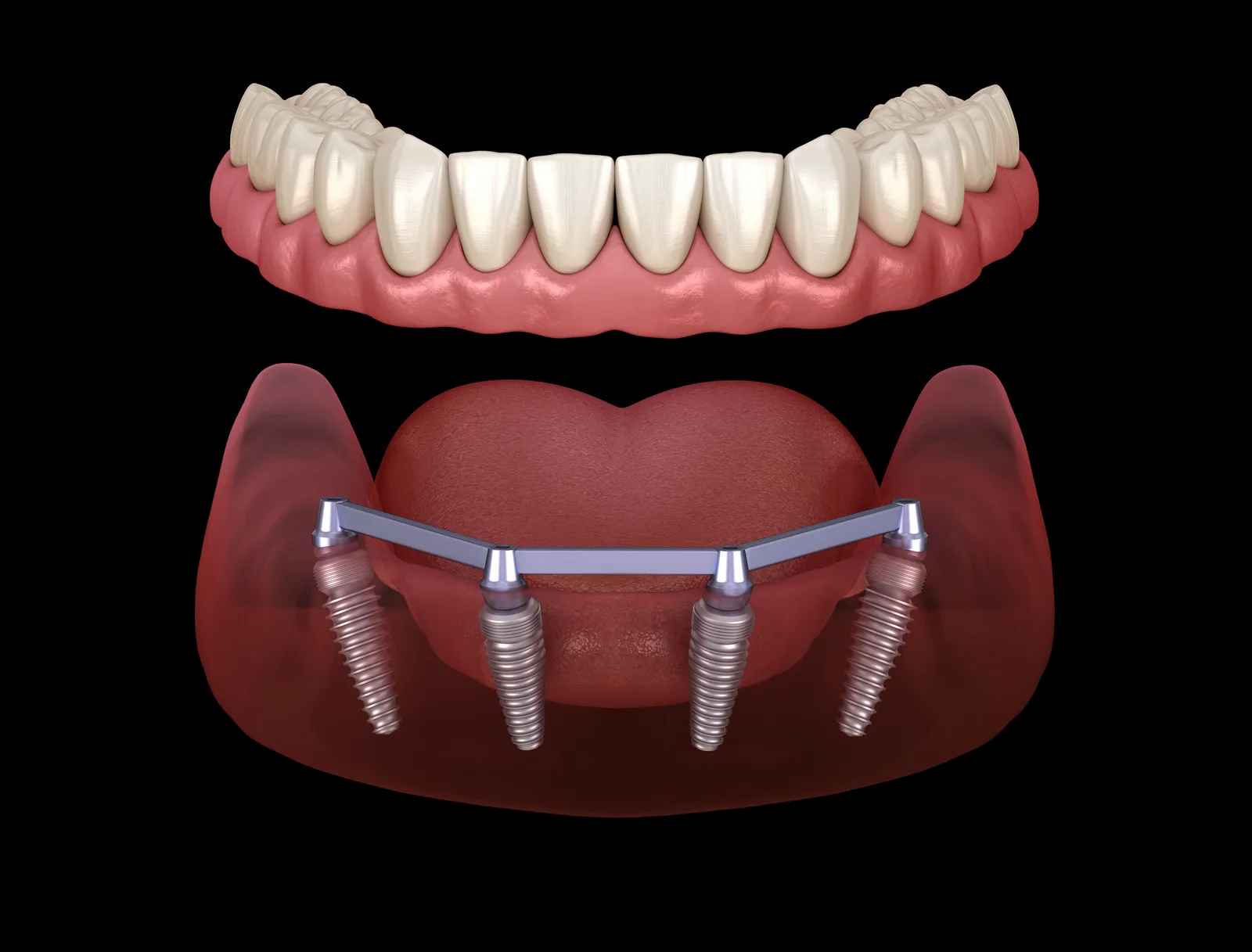
Losing a tooth changes more than your smile. It changes how you chew, how your jawbone holds its shape over time, and how confident you feel speaking or laughing in front of others. A single missing tooth can shift neighboring teeth out of alignment, and multiple gaps make everyday eating genuinely difficult. At Dupont Smiles Family and Cosmetic Dentistry, we treat dental implants as the gold standard for tooth replacement because they replace the entire tooth-root and crown-rather than simply covering the gap.
A dental implant is a small titanium or zirconia post placed directly into the jawbone, where it fuses with living bone through a process called osseointegration. Once healed, that post functions as a new tooth root, anchoring a custom-crafted crown that is shade-matched to your natural teeth. Unlike removable dentures or bridges that rely on adjacent teeth for support, implants stand independently and stimulate the jawbone the same way a natural root does, which helps preserve facial structure over the long term.
Our approach starts with a thorough evaluation of your bone density, gum health, and bite before we ever discuss treatment timelines. We want you to understand exactly why implants make sense for your specific situation, what the healing process actually feels like, and what results you can realistically expect-no guesswork, no pressure.
Many patients live with a missing or failing tooth far longer than they should simply because they are unsure whether implants are right for them. The signs below are common reasons patients in Washington, DC come to see us, and most point toward implants being a strong, long-term solution.
If any of these sound familiar, a professional evaluation matters before the gap causes further bone loss or bite changes that become harder to correct later.
Understanding why a tooth was lost helps us plan an implant that will hold up for years. Several conditions, often overlapping, are typically behind the need for replacement.
Periodontal disease destroys the bone and ligaments that hold teeth in place. Left unchecked, it is the leading cause of adult tooth loss nationwide.
A cavity that reaches the nerve, or a crack that splits below the gumline, often cannot be saved even with root canal therapy or a crown.
A sports injury, fall, or car accident can knock a tooth out entirely or damage the root beyond repair, making replacement necessary.
Once a tooth is missing, surrounding bone begins to resorb within months, which is why timely replacement protects your jaw structure.
Tobacco restricts blood flow to the gums and slows healing, raising the risk of both tooth loss and implant complications if left unaddressed.
Conditions like uncontrolled diabetes affect healing and gum health, which is why we review your full medical history before recommending treatment.
Every implant plan at Dupont Smiles is built around your anatomy and your schedule. Here is what the journey typically looks like from start to finish.
We talk through your dental history, your goals, and exactly what concerns you about the missing or failing tooth, so your plan starts with your priorities.
Digital X-rays and a detailed exam of your bone density and gum tissue let us confirm whether you're ready for implant placement right away or need preparatory care first.
We map out the number of implants needed, the restoration type-single crown, bridge, or full denture-and a realistic timeline before any procedure is scheduled.
The post is placed with local anesthesia and sedation options for comfort, followed by a healing period during which the implant fuses with your jawbone.
Once healed, we attach your custom-matched crown and schedule follow-up visits to confirm bite, comfort, and long-term implant health.
A well-placed implant does more than fill a gap. It restores function your mouth was designed to have, and that difference shows up in daily life well beyond the treatment chair.
Implants bite and chew with nearly the same force as a natural tooth, so foods you may have avoided are back on the menu without hesitation.
Because the implant integrates with bone, it continues stimulating the jaw the way a natural root would, helping prevent the facial sinking that follows long-term tooth loss.
Unlike removable appliances, implants do not shift or click when you speak or laugh, which removes a source of anxiety for many patients.
Because an implant doesn't rely on adjacent teeth for support, your healthy natural teeth are left intact instead of being ground down for a bridge.
Together, these outcomes add up to a replacement tooth that supports your long-term oral health rather than simply masking a gap.
The strength of an implant depends almost entirely on the quality and volume of bone surrounding it. When a tooth has been missing for an extended period, the jawbone in that area often thins out, which can make standard implant placement more complicated without additional preparation.
This is why we rely on digital imaging during your evaluation rather than guessing from a visual exam alone. If bone volume is reduced, procedures like bone grafting or sinus lift therapy can rebuild a stable foundation before the implant is placed, protecting the long-term success of the restoration.
Patients who address bone loss early, rather than waiting years after losing a tooth, generally experience a more straightforward implant process with a shorter overall timeline. That is one of the biggest reasons we encourage patients not to delay evaluation once a tooth is lost or failing.
An implant restoration can last for decades with the right daily habits. A few consistent routines go a long way toward protecting your investment.
Use a soft-bristle brush around the implant crown and gumline just as you would with natural teeth.
Clearing plaque from around the implant base prevents gum inflammation that can threaten long-term stability.
Excess force can chip the crown or loosen the restoration over time, even though implants are durable.
Professional cleanings let us monitor the implant and surrounding gum tissue for any early signs of concern.
Grinding places repeated stress on the implant and crown, so a custom nightguard protects your investment while you sleep.
Soreness, swelling, or looseness around an implant should be evaluated quickly rather than waiting for your next scheduled visit.
These habits support the long-term health of your implant, but they are never a substitute for regular professional monitoring.
"We walk every patient through exactly what to expect before, during, and after implant treatment, because understanding the process is part of feeling confident in the outcome."
Answers to the questions we hear most often from patients considering dental implants in Washington, DC.
BOOK YOUR VISIT
Join the Washington families who trust Dupont Smiles Family and Cosmetic Dentistry. New patients and emergencies are always welcome.
 1325 18th St NW #102, Washington, DC 20036